Therapies
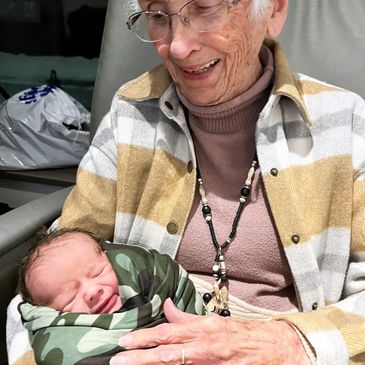
Realistic Doll / Baby Therapy
Realistic Doll / Baby Therapy
Realistic Doll / Baby Therapy
🧸 Doll & Baby Therapy – Comfort, Connection and Purpose
For some people living with dementia, holding and caring for a realistic doll or baby can bring a wonderful sense of comfort, reassurance and purpose.
It isn’t about treating someone like a child. It’s about recognising the emotions, memories and caring instincts that may still be ver
🧸 Doll & Baby Therapy – Comfort, Connection and Purpose
For some people living with dementia, holding and caring for a realistic doll or baby can bring a wonderful sense of comfort, reassurance and purpose.
It isn’t about treating someone like a child. It’s about recognising the emotions, memories and caring instincts that may still be very important to that person.
A doll may help someone to:
❤️ Feel calmer and less anxious
🤗 Experience comfort and companionship
💭 Connect with memories of parenthood and family life
😊 Enjoy positive emotions and conversation
🌼 Have a sense of purpose and something meaningful to care for
🫶 Feel less lonely or unsettled
Doll therapy isn’t suitable for everybody. The important thing is that it is person-centred, introduced sensitively and never forced upon someone. We look at the individual—their life history, personality, preferences and how they respond.
Sometimes something as simple as holding a baby can unlock a feeling of warmth, familiarity and connection that words cannot always reach.
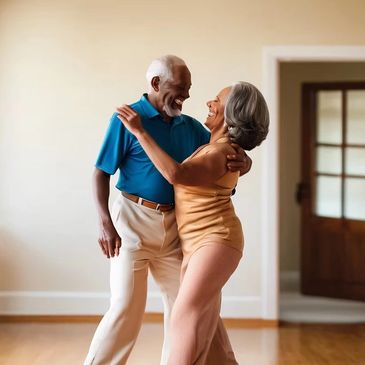
Music Therapy
Realistic Doll / Baby Therapy
Realistic Doll / Baby Therapy
🎵 Music and Dementia – More Than Just a Song
Music can be incredibly powerful for someone living with dementia.
A familiar song can bring back a smile, encourage someone to sing, trigger memories or simply create a feeling of comfort and familiarity.
🧠 But why does music have such an effect?
Dementia can affect memory, communication and thi
🎵 Music and Dementia – More Than Just a Song
Music can be incredibly powerful for someone living with dementia.
A familiar song can bring back a smile, encourage someone to sing, trigger memories or simply create a feeling of comfort and familiarity.
🧠 But why does music have such an effect?
Dementia can affect memory, communication and thinking, but our response to music involves several different areas and networks within the brain. Some aspects of musical memory and emotional response can remain accessible even when other abilities have become more difficult.
That is why someone who struggles to remember names or hold a conversation may sometimes still recognise a favourite song, remember the words or start tapping their feet to the rhythm.
Music can also be associated with important emotional memories — a wedding song, music from someone’s teenage years, a favourite singer, dancing with their partner or songs they sang with their children.
❤️ The important part is making it personal.
Music should never simply be something playing in the background. Finding out about the person’s life, their favourite artists, the music they danced to and the songs connected to important moments can make the experience far more meaningful.
For some people, the right music can encourage reminiscence, movement, conversation, relaxation and connection with the people around them.
Sometimes dementia may make words difficult.
But the music can still be there. 🎶
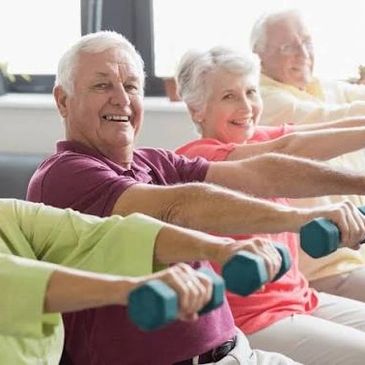
Keep Active Therapy
Realistic Doll / Baby Therapy
Keep Active Therapy
⚽ Keep Fit, Sport & Dementia – It’s About Enjoyment, Not Exercise!
Staying active can make a real difference to the wellbeing of someone living with dementia — but keeping active doesn’t have to mean going to the gym.
At Life’s Journey, we look at what the person enjoys, remembers and can still do.
⚽ Kicking a football around
🏏 Having a ge
⚽ Keep Fit, Sport & Dementia – It’s About Enjoyment, Not Exercise!
Staying active can make a real difference to the wellbeing of someone living with dementia — but keeping active doesn’t have to mean going to the gym.
At Life’s Journey, we look at what the person enjoys, remembers and can still do.
⚽ Kicking a football around
🏏 Having a gentle game of cricket
🎯 Playing simple target games
🚶 Going for a walk
🥊 Using pads for some gentle boxing-style exercise
🎵 Moving to favourite music
🧘 Gentle stretching, balance and movement activities
Physical activity can help support mobility, balance, strength and general wellbeing, while sport can offer something equally important — fun, achievement, confidence and connection with other people.
And there can be memories attached to sport too.
Someone may not remember what they had for breakfast, but mention the football team they supported for 60 years and suddenly you’ve found something to talk about!
The activity should always be adapted to the individual’s abilities, health, interests and confidence. It isn’t about winning or completing a set amount of exercise.
It’s about having a go, enjoying the moment and focusing on what someone CAN still do.